

 I am delighted to be presenting a poetry programme as part of the Poetry for Pleasure project.
The event will take place on August 3rd at the Cornerstone Community Centre in Hove, Church Road, Hove BN3 2FL, at 12 noon-1.15pm. Poetry for Pleasure is a longstanding weekly event and was founded in 1999. Each week revolves around a different poet or theme, and 20 or so poems are read aloud by various readers. Poetry for Pleasure is a member group of the Brighton and Hove Arts Council. The programme I am curating will focus on the popular Poetry of Presence, Mindfulness Poems anthologies, edited by Phyllis Cole-Dai and Ruby R. Wilson. The anthologies are published by Grayson Books. I will also be speaking about the monthly poetry group I facilitate in Lewes. During these sessions, we read and discuss poems written by a range of contemporary and historical poets, from different nationalities and cultures. I offer writing prompts, and participants have time to write and share their writing if they want to. It’s a safe, supportive and wonderful group. We meet once a month on a Saturday morning 10.30am-12.30pm. There are currently two available spaces. If you are interested in joining us, please contact me. I’d be happy to hear from you. [email protected]  I'm delighted that my film about Cynthia Cockburn and her groundbreaking work with women living in zones of conflict will be featured at a special event on July 3rd as part of the 100th anniversary of the Women's Library at the London School of Economics (LSE). Click on the link below for more details and booking info: https://www.eventbrite.co.uk/e/film-screening-discussion-cynthia-cockburn-and-women-building-bridges-tickets-1981110821798 I am honoured to have been invited to introduce a film I made about Cynthia Cockburn at a special event honouring her legacy, hosted by the Women’s Library at the London School of Economics and Political Science (LSE).
Cynthia Cockburn was a pioneering British feminist researcher, writer, photographer, and peace activist. She spent decades working alongside women in zones of polarised conflict and war. Cynthia’s work examined how peace is built not through institutions alone, but through everyday feminist practice. In 2012, I had the privilege of filming Cynthia reflecting on her peace work and activism, and demonstrating with 'Women in Black' in Central London. The film is entitled ‘The Space Between Us’ and will be screened at the LSE on July 3, 2026, alongside two films Cynthia produced herself. The three screenings will be followed by a facilitated discussion reflecting on Cynthia’s legacy and the relevance of her work to contemporary conflicts and peace movements. For further details and to book a ticket: https://www.eventbrite.co.uk/e/film-screening-discussion-cynthia-cockburn-and-women-building-bridges-tickets-1981110821798 This year, the LSE Library is celebrating the centenary of The Women’s Library, the UK’s oldest and largest book, archive and museum collection, which documents the history of feminism, campaigning and activism from the late 19th century to the present day. To celebrate this historic landmark, the Women’s Library have curated a new exhibition which explores its history and rich and diverse collections, as well as a year-long programme of special and exciting events. https://www.lse.ac.uk/library/whats-on/events/the-womens-library-at-100-celebrating-a-century-of-collections  I’m delighted to have completed my Level 1 Teacher Training with the Integrative Restoration Institute®. And I am looking very forward to sharing iRest® teachings and practices with people of all ages in the South East of England.
Based on the ancient teachings of meditation, iRest is an evidence-based transformative practice that leads to psychological, physical, and spiritual healing and well-being. Its practice is integrative as it heals the various unresolved issues and traumas that are present in your body and mind, and restorative as it enables you to recognise your innate peace of mind that is always present amidst all changing circumstances of life. iRest provides you with tools to help you relax deeply, release stress, increase resiliency, improve your interpersonal relationships and provide you with greater mastery and control in your life. iRest nourishes noble qualities such as joy, peacefulness, empathy, forgiveness, patience and lovingkindness toward yourself and others, and supports you to resolve issues such as insomnia, anxiety, fear and depression. For further information, please don’t hesitate to contact me: [email protected]. Celebrating women's life stories: Oxford's Centre for Socio-Legal Studies and Next 100 Years3/23/2021  Dana Denis-Smith, Founder of Obelisk Support and First 100 Years/Next 100 Years campaigns. It was a great pleasure to celebrate International Women’s Day this year in the company of some remarkable women. I had the honour of speaking with Her Honour Judge Khatun Sapnara, a Circuit Judge, Deputy High Court Judge and Co-Chair of the Temple Women’s Forum; Dana Denis-Smith, Founder of Obelisk Support and the First 100 Hundred Years/Next 100 Years campaigns; and Laurie-Anne Power, barrister at Bedford Row Chambers and Chair of the Women in Criminal in Law’s Racial Equality Committee. Questions we explored were: Why is it important for women to share and record our life stories and to create a legacy of our lives? How can women’s networks and campaigns help to support and empower women, professionally and personally? What is most meaningful and helpful to pass on to younger women who are starting out in their legal careers or aspiring to become lawyers? Our conversation was part of a special online event which was co-hosted by the Centre for Socio-Legal Studies University of Oxford and the Next 100 Years campaign. It was the culmination of an oral history research project on Inspiring Women Lawyers I carried out with Oxford’s Centre for Socio-Legal Studies Director Professor Linda Mulcahy, in collaboration with National Life Stories British Library. As part of the research study, I conducted life story interviews with Her Honour Judge Khatun Sapnara, Dana Denis-Smith, Laurie-Anne Power, as well as Professor Rosemary Hunter, legal academic and co-founder of the Feminist Judgements Project UK; and Catherine Flint, barrister at Queen Square Chambers and Committee Member of the Western Circuit Women’s Forum. The full audio interview recordings will soon be available to listen to at the British Library Sound Archive. Women, Legacy and the Law: Co-hosted by Oxford's Centre for Socio-Legal Studies and Next 100 Years2/23/2021 Online event- Thursday 11 March 2021, 6:30 - 7:45pm In Celebration of International Women's Day, we're delighted to invite you to join us for this special online event. We'll be honouring the lives of pioneering women in the legal profession and reflecting on the legacies we want to create for future generations of women lawyers. The event will explore why it is important for us, as women, to share our personal experiences and record our testimonies for posterity. The panelists and audience will be asked to consider the role and value of women's groups and networks in fostering women's empowerment and professional advancement. We will be joined by three excellent speakers who are actively supporting and promoting women lawyers in their careers. All three women have recently recorded their life stories for the Inspiring Women Lawyers Oral History Project, which has been conducted by the Centre for Socio-Legal Studies in collaboration with National Life Stories British Library supported by the John Fell Fund. Our speakers are: Her Honour Judge Khatun Sapnara, Deputy High Court Judge and Co-Chair of the Temple Women’s Forum; Dana Denis-Smith, Founder of Obelisk Support and the First 100 Hundred Years/Next 100 Years campaign; and Laurie-Anne Power, barrister at Bedford Row Chambers and Chair of the Women in Criminal in Law’s Racial Equality Committee. They will be interviewed by Dr Dvora Liberman, researcher and interviewer for the Inspiring Women Lawyer’s Project; and the event will be chaired by Professor Linda Mulcahy, Director of the Centre for Socio-Legal Studies, University of Oxford. https://us02web.zoom.us/webinar/register/WN_Sv8ob_JPT4OHZvJia7QGXg?mc_cid=70c83c6d68&mc_eid=7bf66a784c More about who we are: 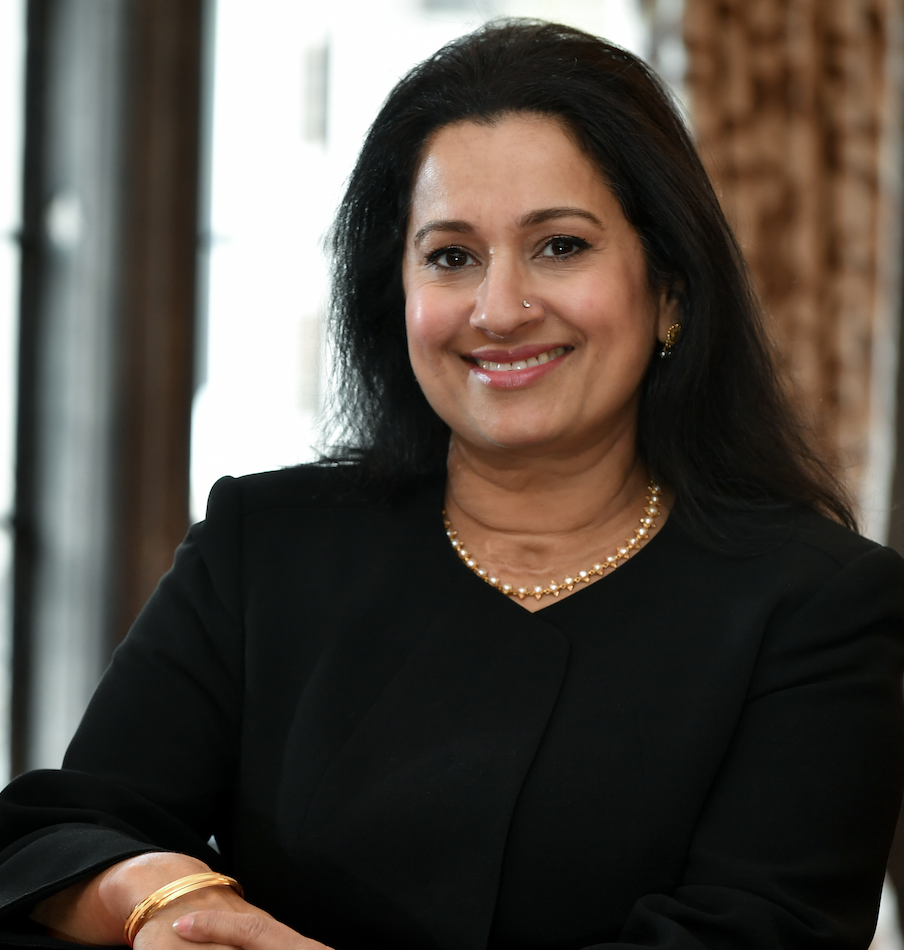 Her Honour Judge Khatun Sapnara Judge Khatun Sapnara is a Deputy High Court Judge, Bencher of the Middle Temple and Co-Chair of the Temple Women's Women. She is the first person of Bangladeshi origin to join the ranks of the senior judiciary. Judge Sapnara played a key role in the creation of the forced Marriage (Civil Protection Act 2007) and was appointed by the Lord Chief Justice as a Diversity Community Relations Judge and a Judiciary Role Model. 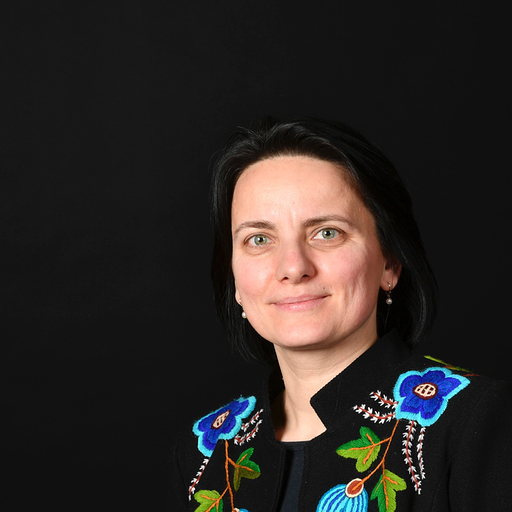 Dana Denis-Smith Dana Denis-Smith is the founder and CEO of Obelisk Support, a legal supplier which champions flexible-working and counts over 1000 legal consultants in its network. She is also the founder of the First 100 Years and Next 100 Years campaigns. The First 100 Years campaign ran the national celebrations of the centenary of the Sex Disqualification (Removal Act) 1919 while the Next 100 Years continues this work with a focus on creating a more equal and diverse legal profession for the next generation. 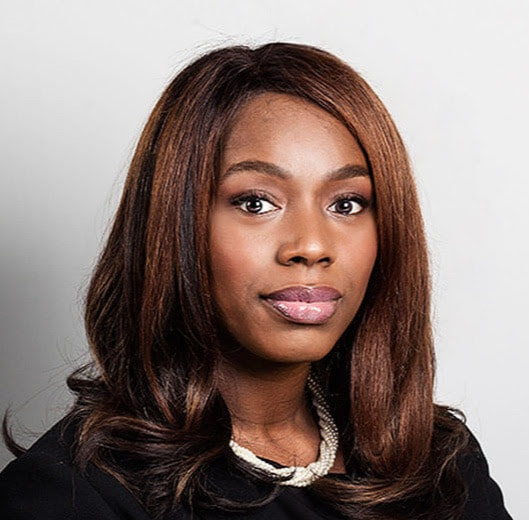 Laurie-Anne Power Laurie-Anne is leading criminal barrister, media consultant and mentor. She has appeared before the Court of Appeal, Courts Martial and worked on the international Criminal Trials in Sierra Leone. Laurie-Anne is also the treasurer of the Criminal Bar Association, a member of the Bar Council's working group on race, chair of Women in Criminal Law (Race Equality Committee) and Chair of Pupillage at 25 Bedford Row. She was the Winner of the 2019 UK Diversity Legal Awards "Lawyer of the Year" and in 2020 she was nominated "Barrister of the Year" at the Women in Law Awards. 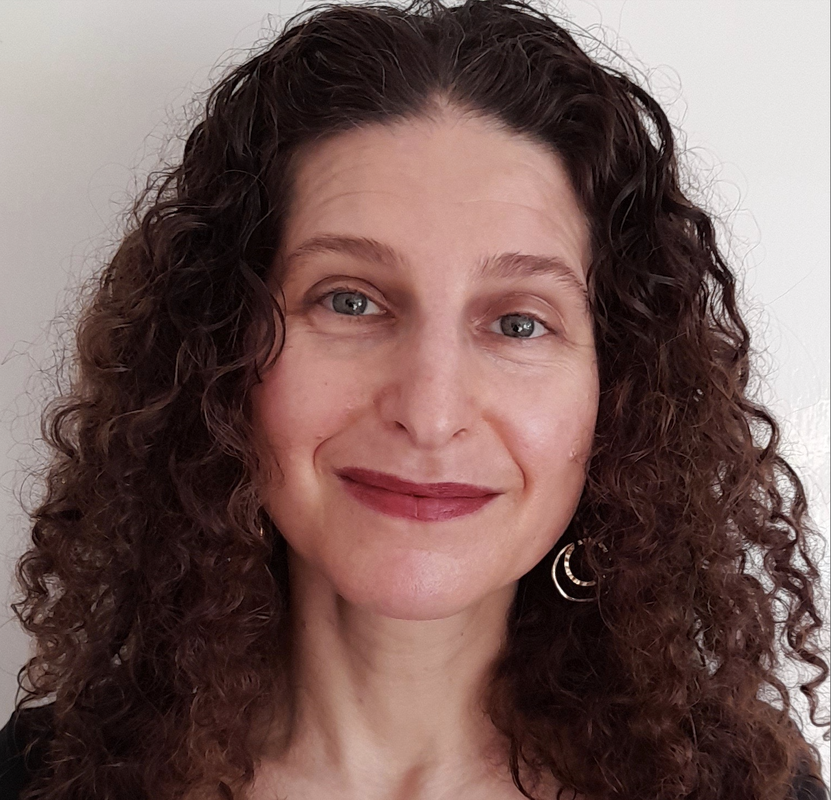 Dr Dvora Liberman Dr Dvora Liberman joined the Oxford Centre for Socio-Legal Studies in 2019 as a Postdoctoral Researcher before becoming a Programme Associate in December 2020. Dvora is an oral historian, storyteller and teacher, and has developed numerous oral history projects with government departments, charities and cultural institutions in the UK, India, Australia, Bosnia, Israel and Palestine. She has shared the life stories of marginalised and unheard communities with a wide variety of audiences through theatre, film, books and exhibitions. 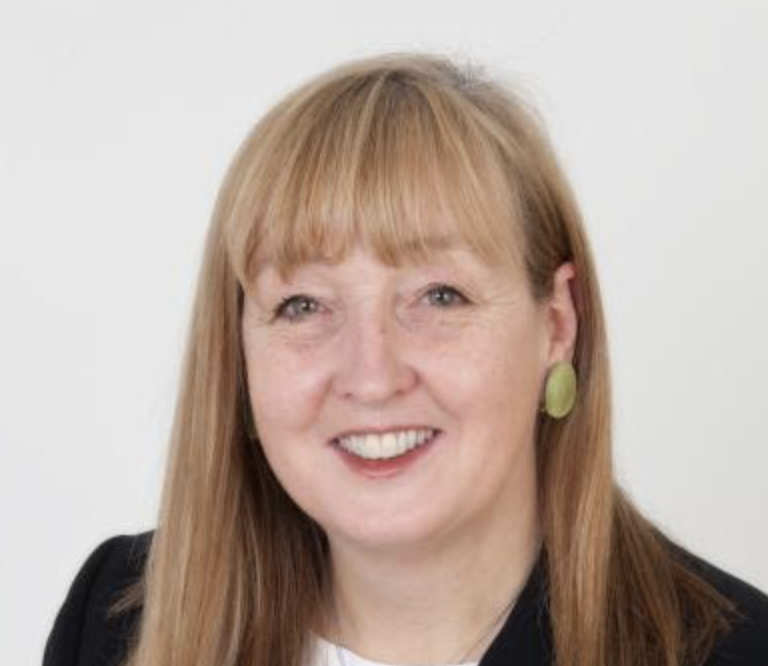 Professor Linda Mulcahy
Linda Mulcahy is the Professor of Socio-Legal Studies at Oxford Law Faculty and the Director of the Centre for Socio-Legal Studies. Trained in both law and the social sciences, Linda's work focuses on how the disadvantaged and marginalised experience law and the legal system. Most recently she has received funding to undertake an oral history of the Law Centres movement in the UK. Gender has long been a central theme in her work and she was a contributor to the Feminist Judgements and the Women's Legal Landmarks projects.  Last week, it was a lovely surprise to find out that the Oral History Reader Group (@hypirohrg) selected my latest article as the focal point for their discussion. The article was published in this Autumn’s 2020 issue of the Oral History Journal (@oralhistoryjour). It inquires into how we can understand and find meaning in the inconsistencies and contradictions in interviewees’ first-hand accounts of their life experiences and memories. The analysis is grounded in an archival collection of in-depth life story interviews I created with 21 former Crown Court clerks, in partnership with National Life Stories British Library (www.bl.uk/projects/national-life-stories) and the London School of Economics Legal Biography Project (www.lse.ac.uk/law/legal-biography-project). The interviews are available at the British Library Sound Archive. The Oral History Reader Group meets monthly (often online) to discuss the use of oral history in research and writing. Everyone is welcome!  I am so pleased an in-depth life story interview I conducted with former magistrate and Crown Court clerk, Irene Elliott, has been included in the British Library’s fantastic new web resource - ‘If Homes Had Ears’. The interview extract highlights Irene’s vivid and detailed description of her childhood in the 1950s in Preston and the many tasks her mother performed in the home. To listen to the interview extract follow this link: https://www.bl.uk/collection-items/irene-elliot-on-her-mothers-hard-work A written summary of the full interview can be word searched on the Sound and Moving Image Catalogue (www.sami.bl.uk). The full interview audio recording is publicly accessible and available at the British Library. It sits alongside 20 further life story interviews I conducted with former Crown Court Clerks, primarily to glean their first-hand accounts about critical changes to the criminal justice system in England and Wales between the 1970s to 2017. The interview collection was created as a core part of my doctoral research project in collaboration with National Life Stories at the British Library (www.bl.uk/projects/national-life-stories) and the London School of Economics Legal Biography Project (www.lse.ac.uk/law/legal-biography-project). The new British Library web resource, If Homes Had Ears mined the treasures of the Library’s Sound Archive to explore the sonic landscape of the home. Key to this resource are the voices and memories of people speaking about home life over the last 140 years. If Homes Had Ears is grouped into five areas found in most homes: the bedroom, bathroom, kitchen, living room and the garden. There are three discursive and thought-provoking articles for each space, and the web resource features over 70 fascinating audio clips to intrigue the listener. To find out more about the creation of the resource, read British Library curator, Mary Stewart's blog: (https://blogs.bl.uk/sound-and-vision/2020/10/what-if-your-home-had-ears-.html). You can follow this link and explore the richness of the entire web resource yourself: www.bl.uk/if-homes-had-ears I have started working as a Research Fellow with Professor Linda Mulcahy at the Oxford Centre for Socio-Legal Studies on an exciting new oral history research study. This project aims to create an oral history of pioneering women lawyers which will be lodged in the sound archive of the British Library as a national resource. It aims to open up debate about the sort of work that qualifies as pioneering and to raise the profile of women whose contribution has been marginalized in public debate. We are particularly interested in the experiences of women from black, Asian and minority ethnic; and lesbian, gay, bisexual or transgender (LGBT) groups; as well as from lower socio-economic backgrounds. The project will also focus on women lawyers who work outside of the commercial sector such as those engaged in advice work and poverty law where the celebration of achievements has been more muted than elsewhere. The research will be conducted in three stages: a survey of lawyers; life history interviews (lasting up to twelve hours) with up to 50 women in partnership with National Life Stories at the British Library, and the development of a project website. The initial stages of this project are being funded by the University of Oxford John Fell fund. |
Archives
August 2026
|
 RSS Feed
